Comprehensive Estate Planning Attorney Services for Peace of Mind
A comprehensive estate planning legal counsel delivers essential assistance in shielding one's destiny. These experts help articulate intentions through binding legal documents, such as last testaments and fiduciary arrangements. They additionally address advance directives, ensuring that core beliefs are respected. However, many overlook the importance of regular reassessments and revisions. What happens when major transitions develop or tax laws shift? Understanding these nuances is essential for sound planning. The implications can be major and wide-ranging.
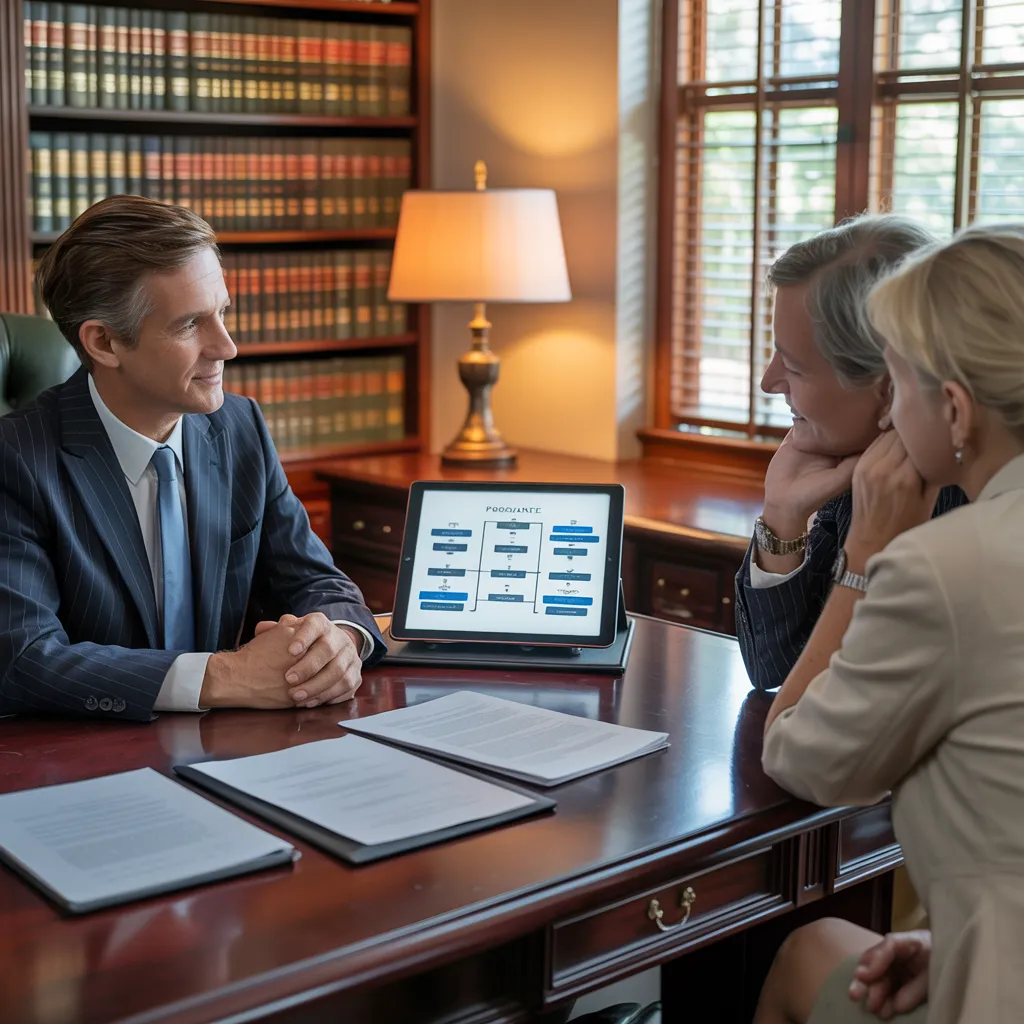
The Importance of Getting Your Estate Planning Done Now
While many individuals may delay estate planning, the reality is that unexpected events can occur at any time, making it essential to have a plan in place. Estate planning is not simply for the wealthy; it is a necessary process for anyone who wishes to ensure their wishes are honored. By setting up a thorough estate plan, individuals can decide how their assets will be handled and distributed, thereby reducing potential conflicts among heirs.
Additionally, a well-organized plan can manage healthcare choices, appoint guardians for minor children, and give clear instructions for end-of-life care. Without these safeguards, families may encounter legal challenges and emotional turmoil during difficult times. Moreover, timely estate planning can generate tax advantages, preserving wealth for future generations. Fundamentally, proactive estate planning offers peace of mind, safeguarding both personal and financial legacies against unforeseen circumstances.
Common False Beliefs Regarding Estate Management
What false beliefs surround estate planning that lead many to delay or dismiss its importance? One prevalent belief is that estate planning is only for the rich, which fails to recognize its relevance for individuals of all financial backgrounds. Another typical misunderstanding is that estate planning is a single task; in reality, it requires regular updates to reflect life changes. Many people also assume that a will is adequate, overlooking the benefits of trusts and other planning tools. Additionally, some assume that estate planning is purely about distributing assets, ignoring its role in health care decisions and guardianship for dependents. Finally, the belief that estate planning is overly complicated can discourage individuals from pursuing assistance. These misconceptions contribute to procrastination, ultimately diminishing the peace of mind that effective estate planning can deliver. Addressing these beliefs is critical for encouraging proactive engagement in the estate planning process.
Vital Services From Estate Planning Legal Professionals
Estate planning counselors deliver a selection of essential solutions designed to support persons navigate the challenges of preparing for the future. These professionals aid in drafting wills, which detail the distribution of holdings, and create trusts to control wealth during and after a client's lifetime. They also provide guidance on healthcare directives and powers of attorney, assuring that personal and medical decisions are made according to the individual's desires in case of incapacity.
Furthermore, estate planning attorneys conduct thorough examinations of existing plans, identifying possible gaps or obsolete provisions. They provide personalized approaches to tackle particular household circumstances and unique financial situations. Furthermore, these lawyers assist individuals understand the implications of estate distribution and the importance of proper property ownership documentation. By delivering tailored lawful counsel and paperwork, estate planning lawyers guarantee that their individuals' wishes are distinctly expressed and legally binding, ultimately offering reassurance.
Tax Strategies For Estate Planning Success
Effective taxation strategies are key in successful estate planning, making sure that individuals grow their wealth while minimizing tax burdens. Applying techniques such as gifting assets during one’s lifetime, instead of passing on them posthumously, can effectively reduce estate taxes. Additionally, the use of tax-deferred accounts preserves wealth, allowing investments to increase without immediate tax effects.
Creating trusts is another vital method, since they can offer substantial tax relief and oversight of asset distribution. Charitable contributions, via donor-advised funds or charitable trusts, can additionally lessen taxable income while aiding charity work.
Additionally, comprehending the effects of federal and state estate tax laws is vital. Consistently assessing and updating estate plans guarantees alignment with evolving tax regulations and personal circumstances. By proactively addressing these strategies, individuals can establish a more favorable financial future for their heirs, ultimately accomplishing their estate planning goals.
Understanding Medical Instructions
While many individuals prioritize financial aspects of estate planning, learning about healthcare directives is equally necessary. These legal documents permit individuals to express their medical treatment wishes in case they become incapacitated. A healthcare directive typically includes a living will and a durable power of attorney for healthcare, empowering designated agents to make medical decisions on behalf of the individual.
What Are The Repercussions Of Not Having An Estate Planning Document?
What occurs when someone fails to create an estate plan? The lack of an estate plan can result in a series of unintended consequences. Without clear directives, state laws govern the movement of assets, which may not align with the individual's wishes. This can result in familial disputes, extending the probate process and raising legal fees. Additionally, without designated guardianship for minor children, the court determines their future, potentially placing them with unfamiliar caretakers.
Additionally, the absence of a healthcare instruction can position family members in problematic circumstances during medical emergencies, as they may be unclear of the individual's preferences regarding life-sustaining treatments. Ultimately, not planning can generate confusion, monetary stress, and psychological anguish for loved ones, weakening the very sense of calm that legacy planning aims to provide.
Popular Inquiries Asked Often
What Cost Should You Anticipate for Estate Planning?
Estate planning costs fall between $500 to $5,000 depending on complexity and attorney fees. Basic wills may cost less, while intricate trusts and estates demand more time and legal expertise, boosting overall costs.
Can I Create an Estate Planning Document Without an Lawyer?
Yes, individuals can formulate an estate plan without a lawyer, employing online resources or sample documents. However, professional guidance secures regulatory adherence and handles intricacies that could occur, in the end offering more security and transparency for the person's intentions.
What Documents Are Found in an Estate Plan?
A detailed estate blueprint regularly includes a will, power of attorney, healthcare proxy, living trust, and beneficiary designations. These legal instruments together articulate an person's desires regarding asset distribution, medical decisions, and legal authority after death or incapacitation.
When Ought to I Refresh My Estate Plan?
An property arrangement should be reviewed and potentially updated every 3 to 5 years or after major life changes, such as marriage, divorce, the birth of a son or daughter, or significant shifts in monetary situations.
What occurs if I relocate to a different State?
In the event that a person relocates to a different state, their financial strategy may require modification to comply with local laws. It's essential to review and adjust documents to make certain they stay valid and effective in essential resource the new jurisdiction.